Objective: Introduce participants to the foundational concepts and principles of translanguaging and explore its significance in multilingual educational settings.
Key Terms:
Concept
Definition
Relevance to Translanguaging
Translanguaging
The practice of using multiple language varieties seamlessly in educational settings.
Utilizes students' entire linguistic repertoire to enhance learning, allowing for the natural use of multiple languages in classroom instruction.
Bilingualism
The ability to use two languages effectively.
Translanguaging leverages bilingual abilities to facilitate understanding and learning, treating bilingualism as both a method and a goal in education.
Code-Switching
The practice of switching between two or more languages or dialects within a single conversation.
In translanguaging, code-switching is employed strategically to connect new and known linguistic resources, enhancing educational engagement and comprehension.
Multilingualism
The ability to use and understand more than two languages.
Translanguaging supports multilingualism by valuing all languages students bring to the classroom, treating linguistic diversity as an educational asset.
Language Pedagogy
The method and practice of teaching languages.
Translanguaging challenges traditional language pedagogy by integrating multiple languages in teaching, promoting a holistic approach that values all linguistic abilities of students.
Introductory Video: A 5-minute overview that explains what translanguaging is, featuring interviews with experts in the field.
Group Discussion: Participants discuss in small groups what they learned from the case studies and how these strategies might be applied in their own teaching.
Role-Playing: Participants engage in a role-playing exercise to practice implementing translanguaging strategies discussed in the case studies.
Assessment:
Interactive multimedia presentations on the history and theory of translanguaging.
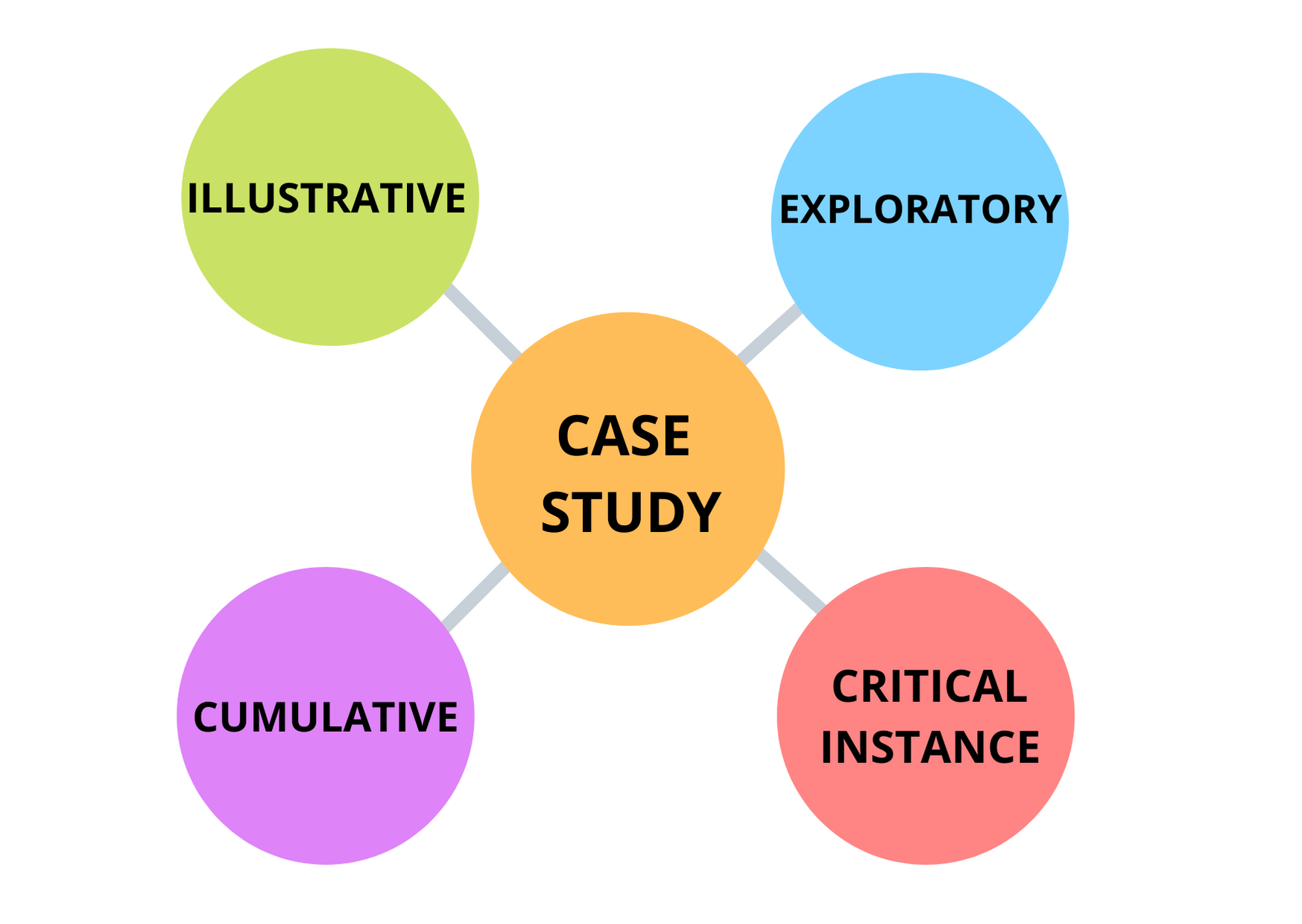
Case Study Analysis Presentation: Each participant or group presents their analysis of a case study, including potential challenges and benefits of implementing translanguaging in similar contexts.
Reflective journal entries on how translanguaging could impact their teaching practices