Lesson 3- Facilitating Discussion in the Classroom
Objective
Students will be able to facilitate discussions with their classes to learn about everyone's different cultures and backgrounds.
Talking to Students about their Cultures
A big part of culturally responsive teaching is to not only be aware of the different cultures in your classroom, but to also be knowledgeable about them. An easy way to learn about students' cultures is through whole class discussions. You may invite students to bring in things like traditional dishes or items from their culture. Or they may share photographs and videos. But, it is important that rules are set beforehand. Students must be respectful of each other's cultures. They should be open to learning about something new, and be ready to ask questions. For students who want to learn more about their cultures, invite them to talk to their families beforehand. They can interview family members and prepare information to share with the class. When it comes time for your class discussion, start off with talking about your own culture. This will give students an idea of how to structure their discussion and may make some students more comfortable sharing.
Below are some topics to talk about:
- Food
- Clothing
- Holidays
- Religion
- Place of origin
- Flag
- Activities popular in that culture (ex-sports, dances, etc.)
- Music
- Folk talkes
- History
You may wish to alter this list depending on the grade you teach. A list of these topics can be sent home beforehand, so students are prepared to share.
Below is an example of something I may share with my students:
-
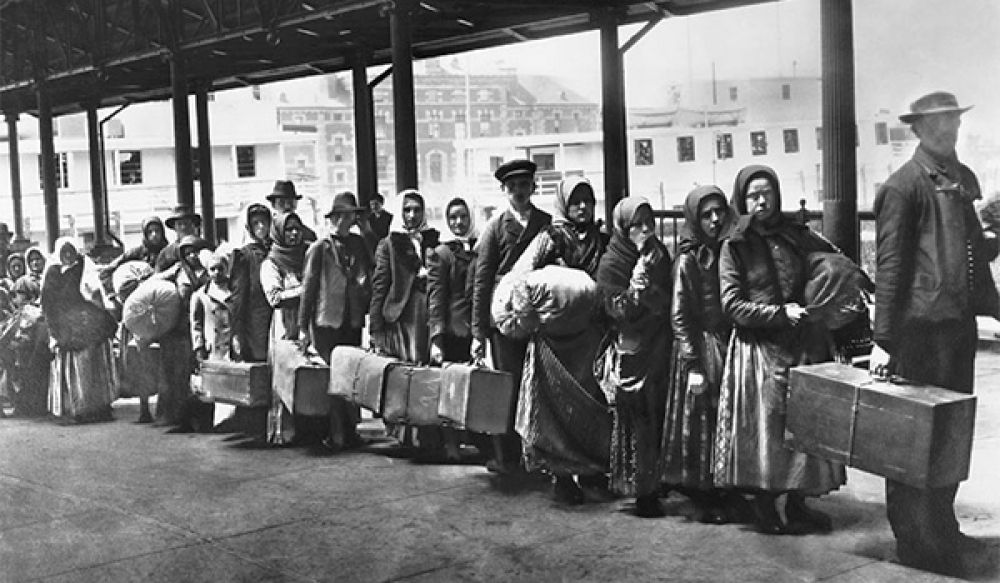 History: My great grandparents immigrated from Italy to the United States in the early 1900s.[1]
-
 Flag: This is the Italian flag. [2]
-
 Food: My family eats many Italian dishes like spaghetti. [3]
-
 Religion: Like many other Italians, my family is Catholic. We celebrate holidays like Christmas and Easter.[4]
-
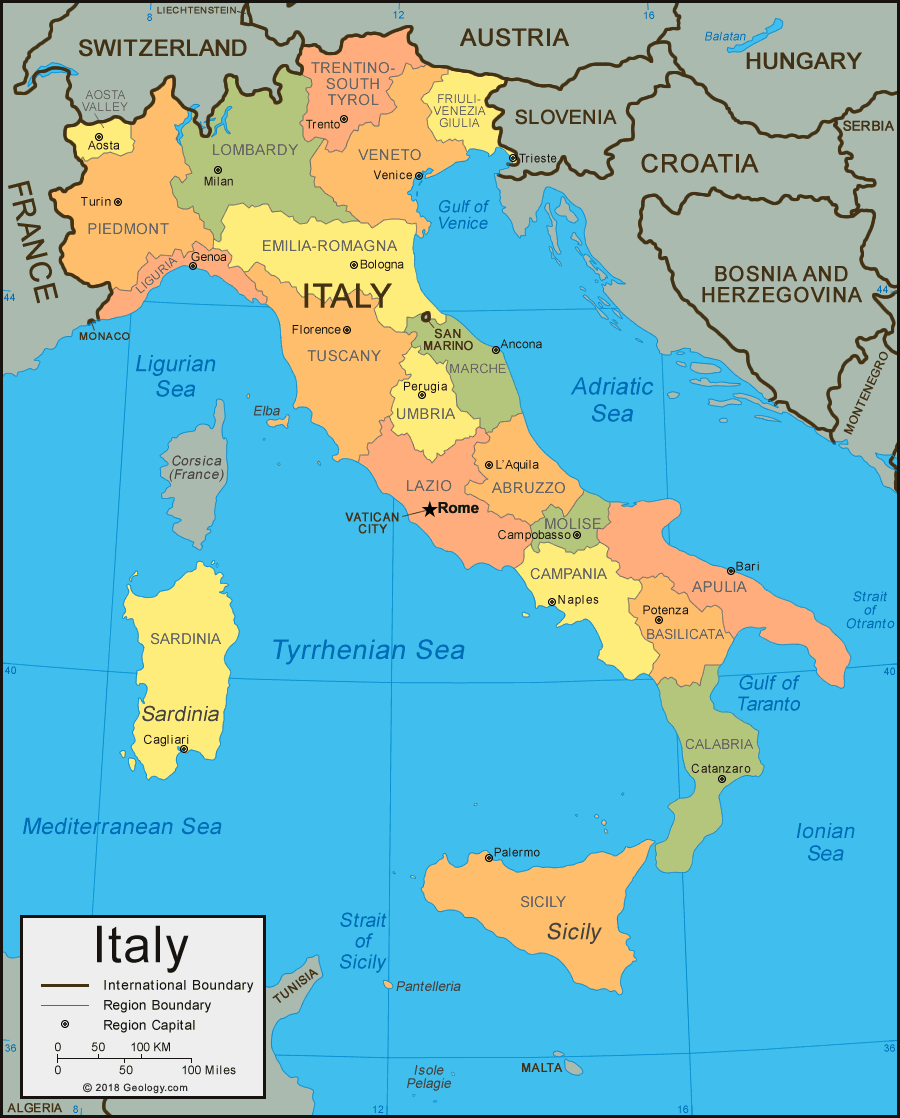 Place of Origin: My great grandparents (my dad's grandparents) lived in Sicily before they came to the United States. [5]


Review the following materials to learn more about facilitating discussions with your students:
An elementary principal talks about giving students at their school the opportunity to share their cultures.
https://www.learningforjustice.org/magazine/when-students-have-space-to-talk-about-their-cultures
The following article prepares you to talk about culture with grade-school-age children, but the information can be applied to older students as well.
https://www.verywellfamily.com/teaching-kids-about-race-and-cultural-diversity-621099
In this video children share their cultural traditions with each other.
Teenagers are interviewed and share what diversity means to them.
Assessment
During this course you will answer reflection questions at the end of each lesson. There is a corresponding assignment on Google Classroom where you may type and submit your answers. Join our Google Classroom with code: 2yrw7cx
Assignment: Create a short presentation about your culture to share with your class. After you hold a whole class discussion about everyone's cultures, reflect on how it went.
Resources
HiHo Kids. (2020, April 28). Kids share their cultural tradition | show & tell - youtube. Youtube2. Retrieved April 26, 2022, from https://www.youtube.com/watch?v=xerrjjAyZs8
Lee, K. (2021, May 24). How to talk to kids about race and cultural diversity. Verywell Family. Retrieved April 26, 2022, from https://www.verywellfamily.com/teaching-kids-about-race-and-cultural-diversity-621099
Lewis, B. (2017, February 27). When students have space to talk about their cultures. Learning for Justice. Retrieved April 26, 2022, from https://www.learningforjustice.org/magazine/when-students-have-space-to-talk-about-their-cultures
USA Today. (2014, December 10). Teens talk about diversity - youtube. Youtube. Retrieved April 26, 2022, from https://www.youtube.com/watch?v=LFNuRJm4LMs
Verner, S. (2011, October 4). Top 10 ways to teach culture. Busy Teacher. Retrieved April 26, 2022, from https://busyteacher.org/7080-top-10-ways-to-teach-culture.html
Next Lesson→ Lesson 4- Finding Resources that Reflect Your Students' Backgrounds