My mini-course is designed to teach young artists with the knowledge and skills of the building blocks of art known as the elements of art. Within four different sections, student will learn about the first steps of creating art. Students will also learn how to create fair and impactful assessments of each others work, understand fine details and terms in art, discover methods for providing meaningful feedback and critiques, and finally, explore creativity and imagination by integrating the key aspects of art into their work and build an appreciation of the visual arts. Students will leave this course with a new outlook on the arts and a hopeful strong passion for the expression of art.
The fundamental purpose of this mini-course is to provide students with a strong foundation in the fundamentals of art, with a specific focus on understanding the elements of art and developing the ability to critique artwork effectively. By delving into the core principles of art and honing their critical thinking skills, students will not only enhance their own artistic abilities but also gain a deeper appreciation for the artistry of others. This knowledge will empower them to communicate and express themselves visually while engaging in meaningful artistic discourse.
Needs Assessment
The challenge or opportunity we're addressing is making sure that art education goes beyond just teaching techniques and tools. We want it to be an exciting and enriching experience for students, where they truly understand the basics of art—things like lines, shapes, colors, and more. The goal is to not just teach how to make art but to help students express themselves better through it. In this class, we have students with different levels of experience, all eager to learn and improve. Our aim is to give them a solid foundation in art, whether they're beginners or more advanced, so they can create art that truly means something to them.
This course is intended for younger aged artists, between the grades 3 to 5. These learners may have diverse characteristics that could affect what is taught and how it is taught in this course:
Technique Proficiency: Learners may have varying levels of proficiency in the techniques we use. Same will have better ways of understanding the art mediums or techniques as we move forward.
Technical Skills: Evaluate the learner's proficiency in using various art mediums such as pencils, paints, or digital tools. Assess their control, precision, and ability to create desired visual effects.
Teaching Experience: The learners may include different learners who have created many pieces of art or have a like or passion for art, while others may not.
Creativity and Imagination: Observe the learner's creativity in generating original ideas, concepts, and artistic interpretations. Consider their ability to think outside the box and bring unique perspectives to their art.
Visual Communication: Analyze how effectively the learner conveys emotions, stories, or messages through their artwork. Consider the use of color, composition, and visual elements in expressing ideas.
Time Constraints: Learners may have limited time available for professional development.
Performance Objectives
After completing this mini-course, learners will be able to
Observational Skills: To enhance students' ability to observe and represent the visual world accurately through techniques such as still life drawing, figure drawing, and landscape drawing.
Elements and Principles of Design: To introduce students to the basic elements of art (line, shape, form, color, value, texture, space) and principles of design (balance, contrast, unity, movement, pattern, emphasis) that are the building blocks of visual composition.
Color Theory: To teach students about the color wheel, color mixing, and how to effectively use color to convey mood and meaning in their artwork.
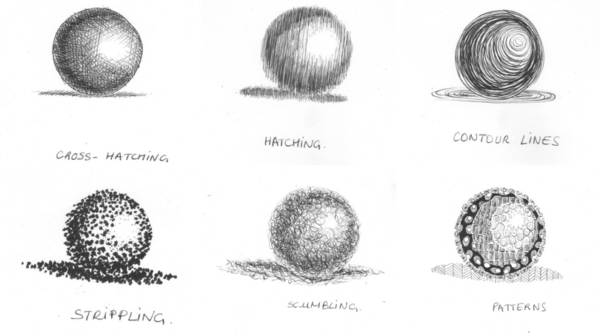
Drawing Techniques: To provide instruction on various drawing techniques, such as contour drawing, cross-hatching, stippling, and shading, to help students achieve greater precision and expressiveness in their drawings.
Painting Skills: To develop students' proficiency in using different painting mediums like watercolors, acrylics, and oils, as well as techniques like blending, layering, and brushwork.
Art History and Art Movements: To introduce students to the history of art, famous artists, and various art movements that have influenced the world of visual art.
Critique and Analysis: To enable students to critically analyze and discuss their own artwork and that of their peers, fostering a deeper understanding of art and constructive feedback.
Creative Expression: To encourage students to develop their unique artistic voice and explore personal themes and concepts in their artwork.
Craftsmanship and Presentation: To emphasize the importance of attention to detail, craftsmanship, and proper presentation of artwork, including matting, framing, and exhibition. These objectives aim to provide a solid foundation for students to appreciate, create, and engage with art, and they lay the groundwork for further exploration and specialization in the field of visual arts.
Course Units
Section 1: What are the elements of art? How are they used and defined?
Introduction to Elements of Art
Objective: Introduce yourself to the seven elements of art: line, shape, form, color, value, texture, and space.
In this introductory lesson on the elements of art, the primary objective is to familiarize students with the fundamental components that form the basis of artistic expression. The seven elements—line, shape, form, color, value, texture, and space—serve as the building blocks for visual communication in the realm of art. Throughout the lesson, students will engage in discussions and hands-on activities to deepen their understanding of each element. Visual examples and practical exercises will be employed to elucidate the significance of these elements in the creation and appreciation of various forms of art. By the end of the lesson, students will have embarked on a journey to comprehend the essential vocabulary and concepts that underpin artistic expression, laying the groundwork for their exploration and application in future artistic endeavors.
Applying the Elements:
You will create a piece of art work using 4 out of 7 of the elements of art. Examples are provided below:
recognize the elements of art
Coloring/ value
Create movement throughout the piece
Create unique shapes and design
Create an asymmetrical piece that is balanced on each side
Creating an overall theme in their design
Learn and understand the color wheel
Objective: Explore how artists from various art movements have used the elements.
After watching the video, answer and complete this worksheet:
Line:
How would you define a line in art? Provide examples of different types of lines.
In what ways can artists use lines to create emphasis in their work?
Shape:
Distinguish between geometric and organic shapes. Can you provide examples of each?
How does the use of shapes contribute to the overall composition of an artwork?
Form:
Explain the difference between form and shape.
How do artists convey three-dimensional form on a two-dimensional surface?
Color:
Identify the primary and secondary colors on the color wheel.
How can the use of color evoke emotions or moods in an artwork?
Value:
Define the term "value" in art. How is it different from color?
How does an artist use value to create contrast and depth in their work?
Texture:
Describe the role of texture in visual art. How can artists represent texture in different mediums?
Provide examples of artworks where texture plays a significant role.
Space:
Explain the concept of positive and negative space.
How does an artist create the illusion of depth and space in a two-dimensional artwork?
Section 2: How to implement key focuses and techniques in their artwork
- Techniques and Focus Areas:
In Section 2, the focus is on guiding through the implementation of key techniques and focus areas in their artwork, with a specific emphasis on shading. Shading is a fundamental aspect of visual art that adds depth, dimension, and realism to two-dimensional images. Shading Techniques for Dimensional Depth: As we delve into the implementation of key techniques in your artwork, shading takes center stage as a pivotal skill to master. Shading involves the careful manipulation of light and dark areas to create a sense of depth, form, and realism within your compositions. One effective method is understanding the play of light on different surfaces. Begin by identifying the primary light source in your artwork, which dictates where highlights and shadows fall. Experiment with various shading techniques, such as hatching, cross-hatching, stippling, and blending, to convey different textures and tones. Gradually build up layers of shading to achieve smooth transitions between light and shadow, ensuring a gradual shift in intensity. Remember, shading is not solely about replicating reality but also about imparting a unique artistic style to your work. Embrace the interplay of light and shadow to breathe life into your creations, adding a three-dimensional quality that captivates the viewer's gaze. As you explore shading, consider the emotional impact it can bring to your art, influencing the mood and narrative within your visual storytelling. Through this section, we aim to equip you with the skills needed to master shading techniques and elevate your artwork to new dimensions.
Objective: Create a shaded drawing of something that you enjoy using the elements of art learned in section 1:
Examples of artwork:
Section 3:How to create a virtual assignment or learning experience of changing the project from hand-made to digital-made
Transitioning to Digital Art
Digital Art Project
In transitioning from traditional hand-made art projects to digital art, the objective is to introduce students to the realm of digital creation, providing them with the tools and skills necessary to express their artistic vision using technology. The primary goal of the Digital Art Project is to facilitate a seamless shift from traditional to digital mediums, encouraging students to explore the vast possibilities and unique capabilities of digital artistry. Objectives:
Digital Familiarity: Familiarize students with digital art tools and software, ensuring a basic understanding of their functionalities.
Technical Proficiency: Develop technical proficiency in using digital tools for drawing, coloring, and creating various visual elements.
Creative Expression: Encourage students to maintain their artistic style while adapting it to the digital medium, fostering creative expression through technology.
Conceptual Adaptation: Guide students in translating concepts and ideas from traditional art projects into the digital space, emphasizing the adaptability of their creative processes.
Digital Techniques: Introduce students to specific techniques unique to digital art, such as layering, digital brushes, and manipulation of visual elements.
Critique and Reflection: Facilitate critique sessions where students can reflect on their digital art projects, discussing challenges faced during the transition and exploring newfound advantages. Activities:
Digital Tools Orientation: Begin with an orientation session, introducing students to digital tools and software commonly used in digital art creation.
Hands-on Practice: Provide hands-on practice sessions where students can experiment with digital brushes, layers, and color palettes, gradually transitioning their traditional art skills into the digital space.
Digital Art History: Explore the history and evolution of digital art, highlighting influential digital artists and their contributions to the medium.
Project Transition: Assign a project that requires students to recreate a previous hand-made art project using digital tools. This encourages them to adapt their skills and artistic vision to the digital realm.
Peer Collaboration: Promote peer collaboration through digital platforms, allowing students to share their progress, seek feedback, and learn from each other's experiences. By the end of the Digital Art Project, students should not only feel comfortable working with digital tools but also recognize the potential for creativity and innovation that the digital medium offers to their artistic endeavors.
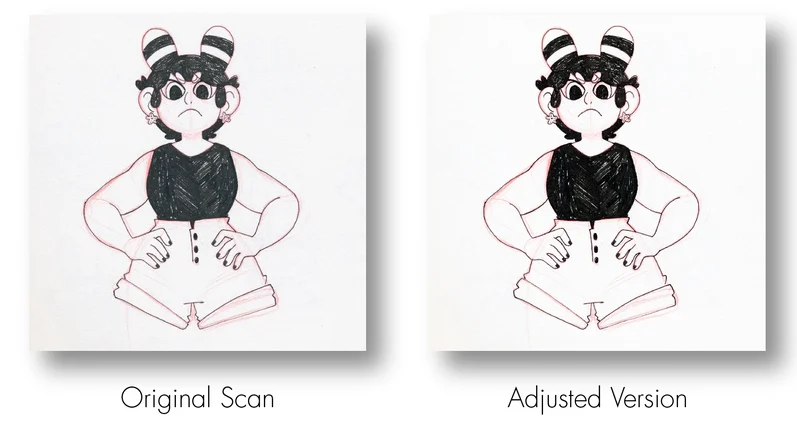
Objectives: By using your drawing from section 2, Begin to manipulate and change the image or enhance the image using various tools with your computer or phone using either lightroom or photoshop.
Section 4: Critique/Feedback/ Explanation of technique and reflections
Art Critique and Feedback
ssFinal Presentations and Thoughts
In Section 4 of the art project, the focus shifts towards the critical evaluation of the students' work, providing constructive feedback, exploring the techniques employed, and encouraging reflective thoughts. This stage is crucial for fostering a deeper understanding of artistic choices and refining skills through self-reflection and peer critique. Art Critique:
Group Critique Sessions: Organize group critique sessions where students can present their final art projects to their peers. Encourage open discussions about the strengths, weaknesses, and overall impact of each piece.
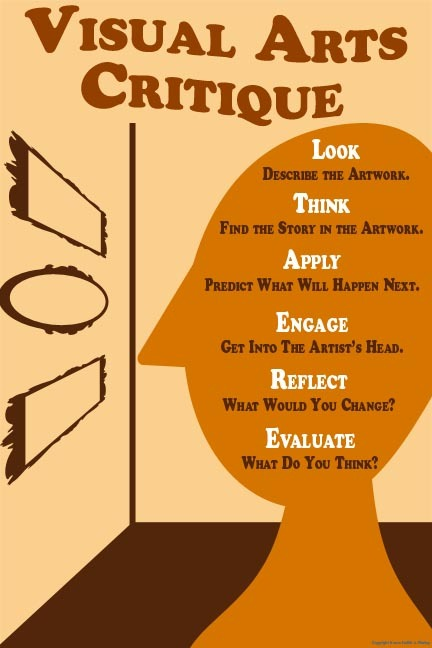
Guided Questions: Provide a set of guided questions to prompt thoughtful critique, addressing aspects such as composition, color choices, concept clarity, and the effectiveness of the digital transition.
Constructive Feedback: Emphasize the importance of constructive feedback, encouraging students to offer specific observations and suggestions for improvement. This creates a supportive environment for artistic growth. Final Presentations:
Digital Showcase: Arrange a digital showcase where students can display their final digital art projects. This can be done through an online platform, allowing for a broader audience and interaction.
Artist Statements: Require students to accompany their projects with artist statements. These statements should elucidate the inspiration, creative process, and intentions behind their digital art, adding depth to the presentation. Explanation of Technique:
Technique Breakdown: Facilitate sessions where students break down the specific digital techniques they employed in their projects. This could include discussions on layering, brush choices, blending modes, and other digital tools.
Demonstrations: Conduct demonstrations or invite guest artists to showcase advanced digital techniques. This exposure enhances students' technical knowledge and inspires them to explore more sophisticated approaches. Reflections:
Individual Reflections: Prompt students to individually reflect on their artistic journey throughout the transition to digital art. Encourage them to discuss challenges faced, breakthrough moments, and personal growth.
Group Discussions: Initiate group discussions where students can share their reflections. This creates a collaborative space for learning from each other's experiences and gaining varied perspectives.
Future Goals: Conclude the section by inviting students to outline their future goals in digital art. This could include aspirations for further exploration of specific techniques, themes, or digital platforms. By incorporating critique, feedback, technique exploration, and reflections, Section 4 serves as a comprehensive platform for students to refine their digital art skills, appreciate diverse perspectives, and set the stage for continuous artistic development
Art Critique Group Activity: Objective: Enhance students' ability to analyze, interpret, and evaluate artworks collaboratively while fostering a supportive and constructive environment for artistic growth. Instructions:
Selection of Artworks: Choose a one artwork that aligns with the current focus or themes in the art curriculum. Ensure that each piece incorporates various elements of art.
Artwork Analysis: Assign one or more artworks to each person. Thoroughly analyze the chosen artworks, considering elements such as composition, color, texture, and form.
Discussion Guidelines:
Each person shall discusses the assign artwork(s).
Be sure to express your thoughts and feelings evoked by the art.
Focus on constructive feedback and highlight positive aspects before addressing areas for improvement.
Discuss technical elements, such as the use of different techniques or unique artistic choices.
Presentation: Present your analysis to the class. Emphasize the importance of clear communication and articulation of thoughts.
Open Forum: After each presentation, We will open the floor for class-wide discussion. Students will be encouraged questions, alternative viewpoints, and further exploration of the artworks.
Reflection: Ask fellow classmates to share what they've learned from their peers and how the collaborative critique process influenced their understanding of art.
Peer Evaluation: Consider implementing a peer evaluation component where students provide constructive feedback on their group members' contributions to the critique. This art critique group activity not only enhances students' analytical and communication skills but also cultivates a sense of community and shared learning within the art classroom.
Extended Resources
References:
Mathison, S., & Ross, E. W. (2002). The hegemony of accountability in schools and universities.
Strauss, Valerie. "American schools are modeled after factories and treat students like widgets. Right? Wrong." 2015.
McNutt, Chris. "Is the Factory model a myth." 2018.
Senior, Carol, and Howard, Corey. "The state of the art in student engagement." Frontiers in Psychology, vol. 6, 2015, article 355. doi:10.3389/fpsyg.2015.00355.
Kisida, Brian, and Bowen, Daniel H. "New Evidence of the benefits of arts education." Brown Center on Education Policy, 2019.
Duma, Amy. "The John F. Kennedy Center for the Performing Arts." 2014. URL: https://files.eric.ed.gov/fulltext/EJ1050588.pdf.
Vygotsky, L. S. (1978). Mind in society: The development of higher psychological processes. Cambridge, MA: Harvard University Press.
Ryan, R. M., & Deci, E. L. (2000). Self-determination theory and the facilitation of intrinsic motivation, social development, and well-being. American Psychologist, 55, 68-78.
Csikszentmihalyi, Mihaly. Creativity : Flow and the Psychology of Discovery and Invention. New York :HarperCollinsPublishers, 1996.
Mathison, S.& Ross, E. W. (2002). The hegemony of accountability in schools and universities. Workplace, 988-102.
Paris, D., & Alim, H. S. (2017). In What is culturally sustaining pedagogy and why does it matter? Teachers College Press.
Ladson-Billings, Gloria. (2006). From the achievement gap to the education debt: Understanding achievement in U.S. schools. Educational Researcher.